Description
History/Background:
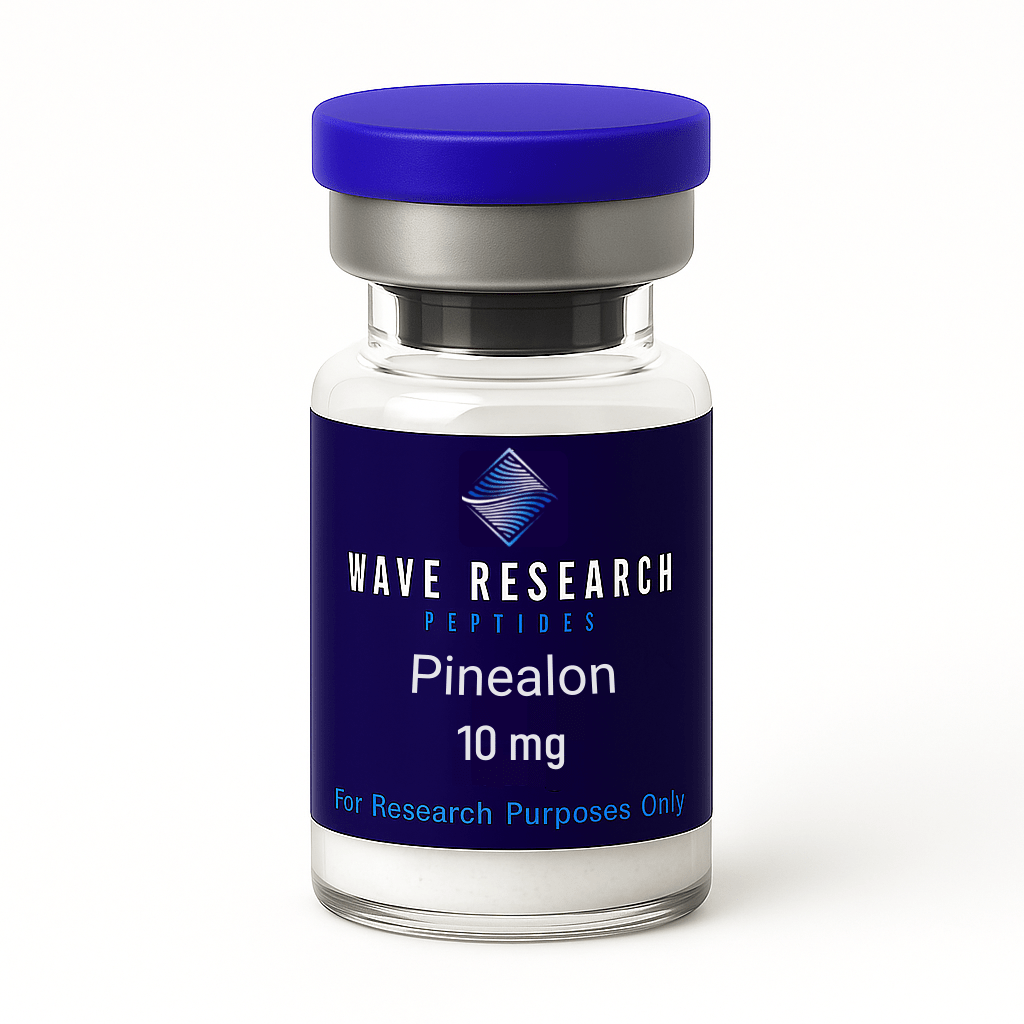
Pinealon is a novel peptide that has been explored in the context of neuroprotection and cognitive enhancement. It is derived from the neuropeptide known as neurotensin, which is involved in various physiological processes, including pain perception, regulation of body temperature, and modulation of dopamine pathways. Pinealon has been studied for potential neuroprotective effects, particularly in relation to neurodegenerative diseases and cognitive decline. The research surrounding Pinealon is still emerging, with ongoing studies assessing its mechanisms of action, efficacy in various neurological conditions, and potential therapeutic applications.
Research For:
The potential benefits of Pinealon include:
-
Neuroprotection: Pinealon is believed to have protective effects on neurons, potentially safeguarding them from damage associated with oxidative stress and neuroinflammation.
-
Cognitive Enhancement: Some studies suggest that Pinealon may improve cognitive function and memory, making it an area of interest for age-related cognitive decline and neurodegenerative conditions.
-
Mood Regulation: Given its influence on neuropeptides and neurotransmitters, Pinealon may also have potential benefits in mood regulation and anxiety reduction.
-
Pain Modulation: Pinealon may play a role in modulating pain responses, which can be beneficial in conditions characterized by chronic pain.
Important Considerations:
-
Regulatory Status: Pinealon is still in the research phase and has not yet been approved by the FDA or other regulatory bodies for clinical use.
-
Side Effects: The safety profile of Pinealon is still being characterized in clinical studies. Potential side effects are not yet fully understood due to limited data.
-
Individual Variability: Responses to Pinealon can vary based on individual health status, age, and the specific condition being treated.
-
Consultation with Healthcare Professionals: Individuals interested in Pinealon should consult with healthcare providers for the latest information regarding dosing, administration, and participation in clinical trials.


Reviews
There are no reviews yet.