Description
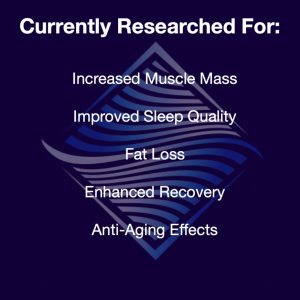
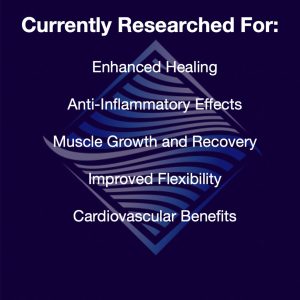
Research For:
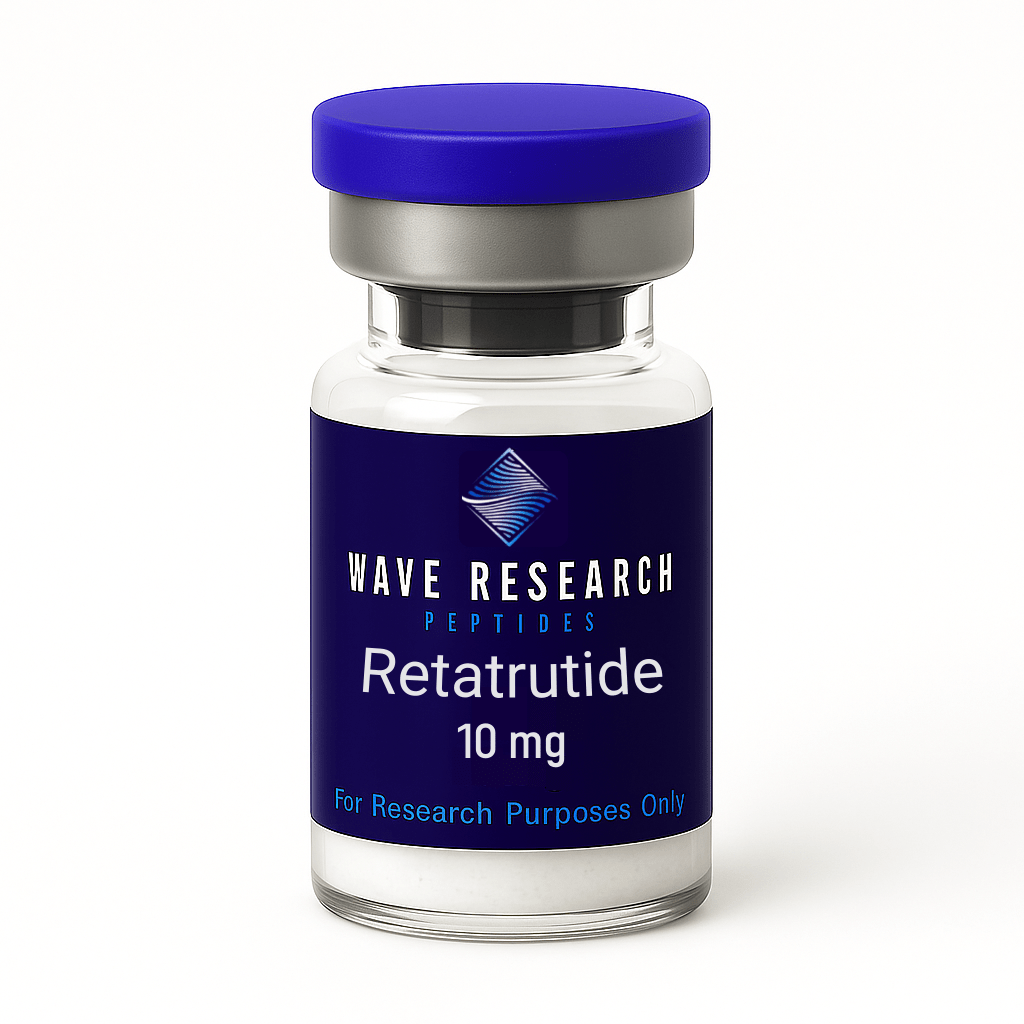
Although clinical data is still emerging, potential benefits of WRP-3 RT include:
-
Effective Glycemic Control: As a tri-agonist targeting GLP-1, GIP, and glucagon receptors,WRP-3 RT may offer comprehensive glycemic regulation by enhancing insulin secretion, suppressing glucagon release, and influencing glucose metabolism.
-
Significant Weight Loss: Early studies suggest that WRP-3 RT may lead to substantial weight reduction, comparable to or exceeding the effects seen with existing dual and tri-agonist therapies, largely through appetite and caloric intake reduction.
-
Potential Cardiovascular Benefits: Preliminary findings suggest possible improvements in cardiovascular risk factors, though research is ongoing.
-
Convenience: If approved, WRP-3 RT is expected to be administered as a subcutaneous injection, likely with a once-weekly dosing regimen similar to other GLP-1–based therapies.
Important Considerations:
• Administration: Expected to be administered subcutaneously, similar to other GLP-1 and GIP receptor agonists.
• Monitoring: Clinical trial participants are closely monitored for glucose levels, side effects, and overall treatment response.
• Side Effects: While the exact side-effect profile is still being studied, common effects may resemble those seen in GLP-1 therapies—such as nausea, vomiting, diarrhea, and abdominal discomfort. Serious risks may include pancreatitis and potential thyroid tumors.
• Current Status: WRP-3 RT remains in clinical development. Individuals interested in emerging diabetes or obesity treatments should consult healthcare providers for updated information or potential participation in clinical trials.
• As research advances, more information regarding WRP-3 RT dosing, safety, and long-term efficacy will become available. Consulting a healthcare professional remains essential for anyone considering trial participation or exploring new treatment options.


Reviews
There are no reviews yet.