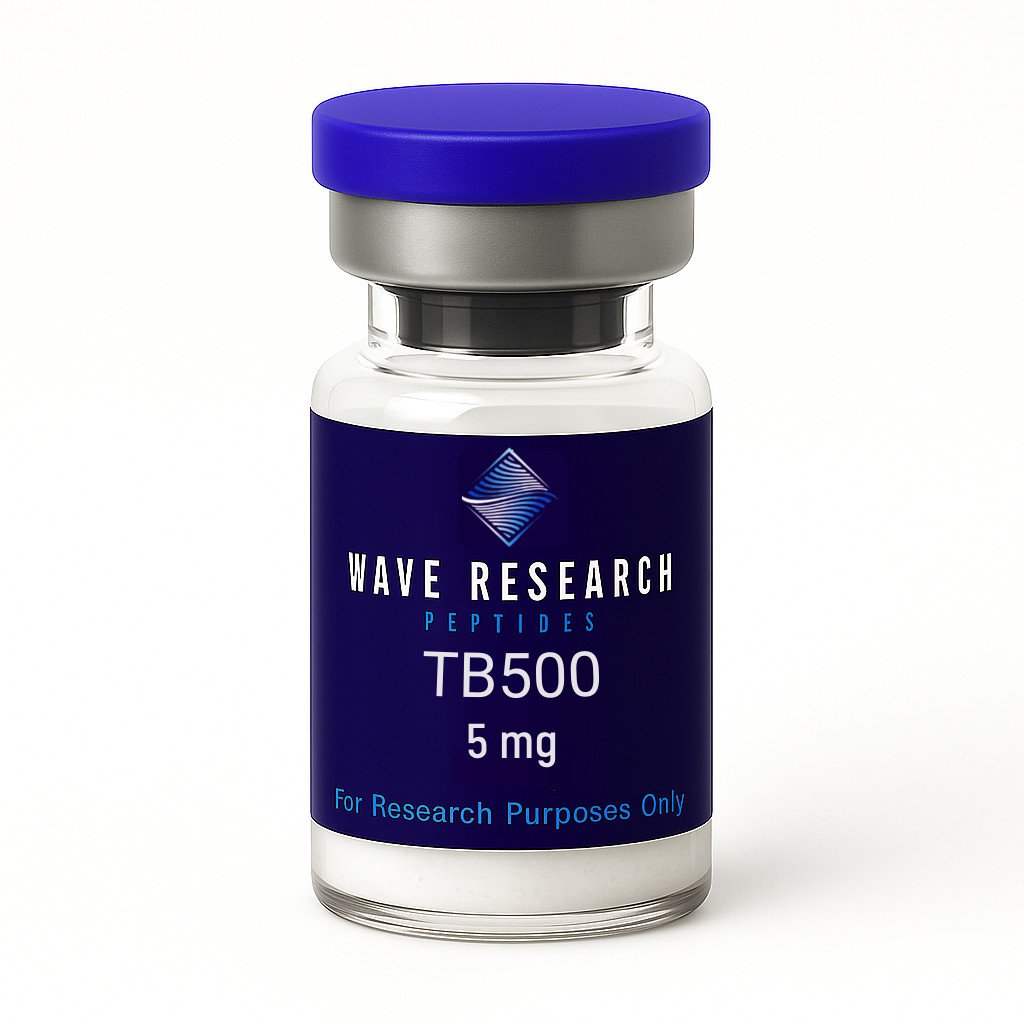
Description
History / Background
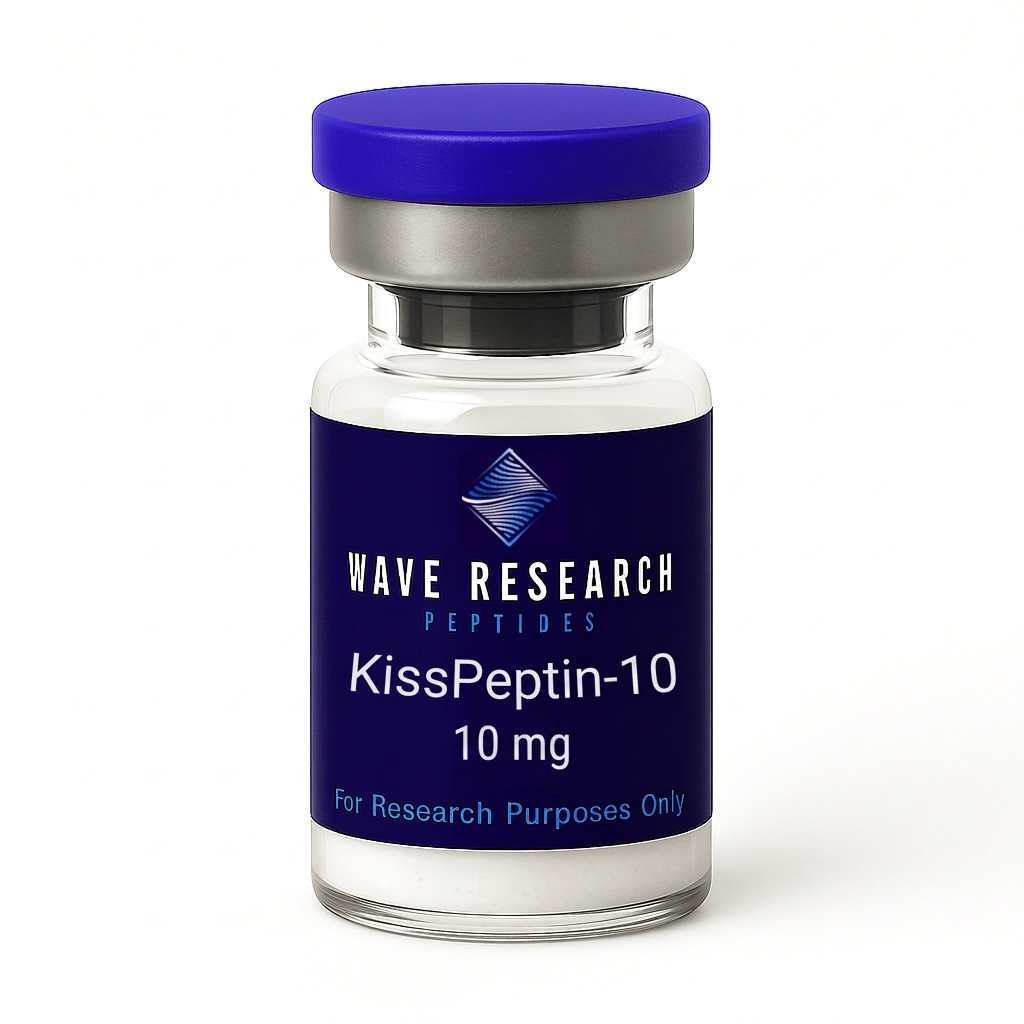
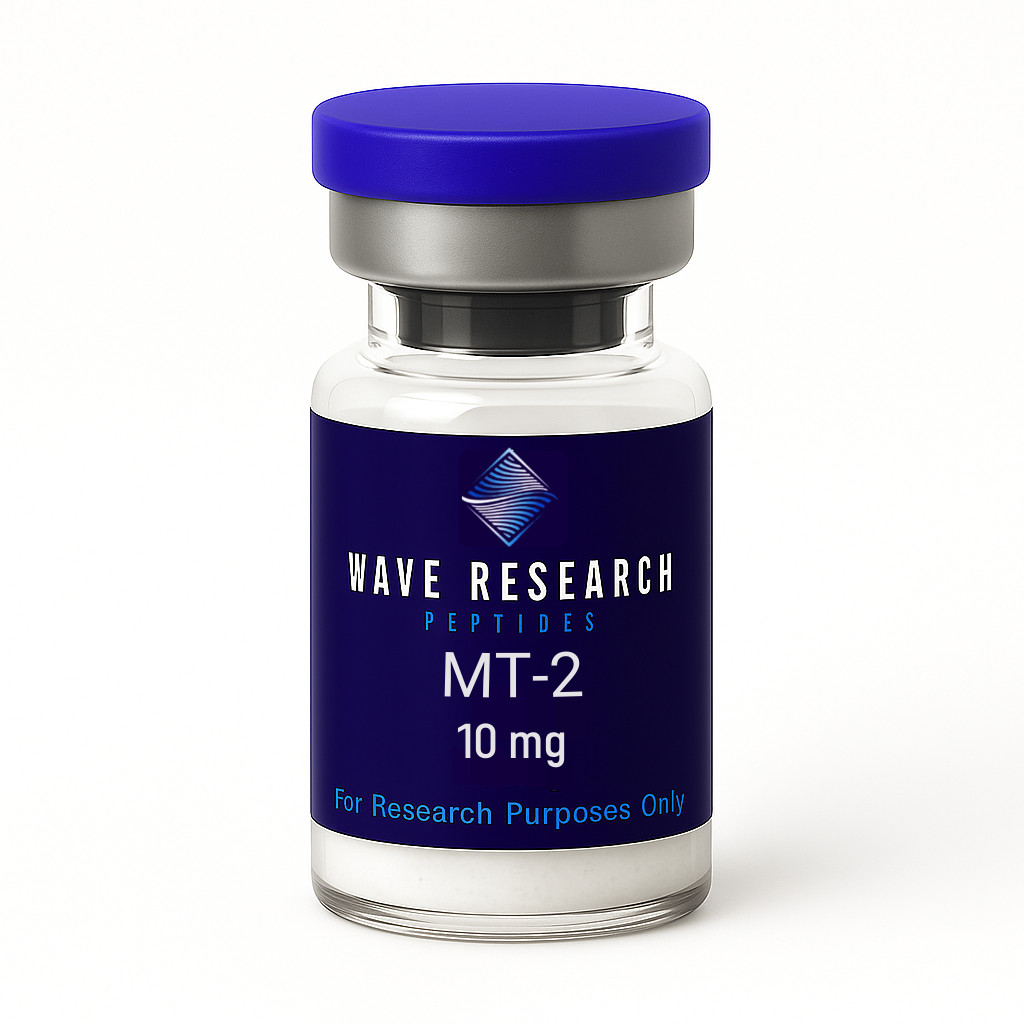
Kisspeptin-10 is a peptide hormone first discovered in 1966 during research on metastasis suppressor genes in malignant melanoma. Its name originates from the gene that encodes it, KISS1, and the term “kiss” was inspired by Hershey’s Kisses, as the research was conducted in Hershey, Pennsylvania.
Kisspeptin-10 is primarily known for its critical role in regulating the reproductive system and triggering the onset of puberty. It functions by stimulating gonadotropin-releasing hormone (GnRH), which subsequently triggers the release of luteinizing hormone (LH) and follicle-stimulating hormone (FSH).
Benefits
Potential benefits of Kisspeptin-10 include:
-
Regulation of Reproduction
Plays a central role in controlling the reproductive system and initiating puberty. -
Enhancement of Fertility
Stimulates GnRH release, which promotes LH and FSH secretion, potentially improving reproductive function and fertility. -
Potential Therapeutic Applications
Research is ongoing into its use for reproductive disorders, such as hypogonadotropic hypogonadism, and in fertility treatments. Early studies also suggest a potential role in metabolism and body weight regulation.
Recommended Dosage
Kisspeptin-10 is primarily used in research contexts, and dosing varies depending on application:
-
Administration: Typically via subcutaneous injection.
-
Common Dosage: Research settings commonly use 1–2 nmol/kg body weight, though exact protocols depend on the study and individual considerations. Use should be supervised by healthcare professionals or researchers.
Important Considerations
-
Research Status: Still largely experimental; use outside clinical trials should be approached with caution.
-
Safety and Side Effects: Long-term effects and side effects are not fully understood; careful monitoring is required.
-
Regulatory Status: Varies by country; Kisspeptin-10 is generally not approved for general use outside research.
-
Healthcare Consultation: Use for therapeutic purposes should be under guidance of healthcare professionals, particularly given its limited clinical research.


Reviews
There are no reviews yet.