Description
History/Background:
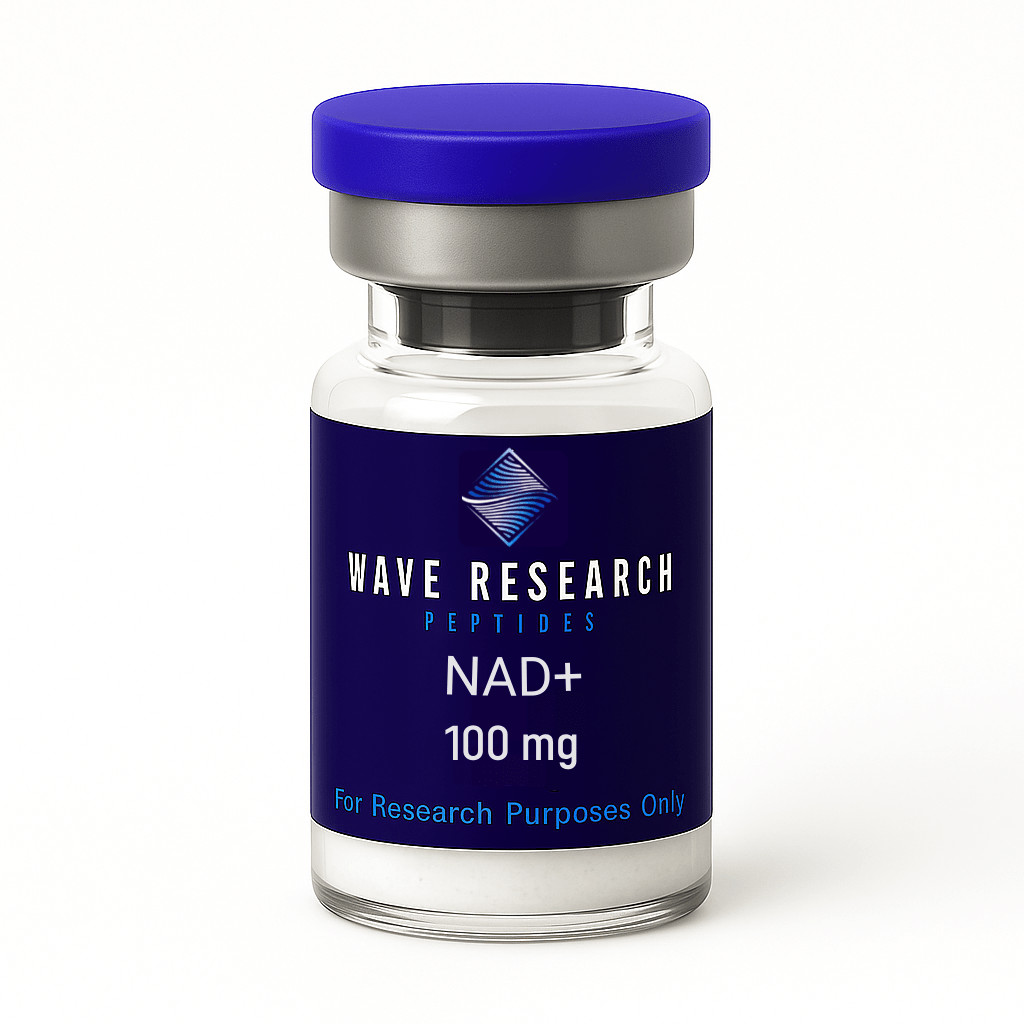
NAD+ was first discovered in 1906 by Arthur Harden and William John Young, who isolated it from yeast. Its role as a coenzyme involved in redox reactions and energy metabolism was established in the subsequent decades. NAD+ is a crucial coenzyme found in all living cells. It plays a vital role in cellular metabolism, particularly in the conversion of food into energy through its involvement in the electron transport chain and various metabolic pathways. Over the years, NAD+ has been extensively studied for its roles in energy metabolism, DNA repair, and cellular aging. Recent research has focused on its potential therapeutic applications in age-related diseases and metabolic disorders.
Benefits:
The potential benefits of NAD+ include:
-
Energy Production: NAD+ is essential for the production of ATP (adenosine triphosphate), the primary energy currency of cells, making it vital for overall cellular function and vitality.
-
Cellular Repair: NAD+ is involved in DNA repair processes and the maintenance of genomic stability, which is crucial for preventing age-related diseases and promoting longevity.
-
Metabolic Regulation: It plays a significant role in metabolic pathways, including those related to fat and carbohydrate metabolism, which can influence weight management and metabolic health.
-
Anti-Aging Effects: Research suggests that NAD+ levels decline with age, and supplementation may help restore its levels, potentially improving cellular function, enhancing resilience to stress, and promoting longevity.
-
Neuroprotection: NAD+ is involved in neuroprotective mechanisms, and its supplementation may have potential benefits in neurodegenerative diseases by supporting neuronal health.
Recommended Dosage:
NAD+ itself is not approved as a drug by the FDA; however, anecdotal dosage recommendations are as follows:
-
Administration: NAD+ can be administered orally as a dietary supplement (e.g., nicotinamide riboside, nicotinamide mononucleotide) or via intravenous infusion in clinical settings.
-
Common Dosage: Recommended dosages for NAD+ supplementation can vary based on the specific formulation and individual goals. Common dosages range from 25 mg to 100 mg per day, depending on the form of NAD+ used (e.g., NAD+ precursors like nicotinamide riboside or nicotinamide mononucleotide).
Important Considerations:
-
Regulatory Status: NAD+ itself is not approved as a drug by the FDA, but its precursors (like nicotinamide riboside and nicotinamide mononucleotide) are available as dietary supplements.
-
Side Effects: NAD+ is generally considered safe when taken at recommended dosages, but potential side effects may include mild gastrointestinal discomfort, flushing, or headaches.
-
Individual Variability: Responses to NAD+ supplementation can vary among individuals, influenced by factors such as age, metabolic health, and existing medical conditions.
-
Consultation with Healthcare Professionals: It is advisable to consult with a healthcare provider to determine the appropriate dosage and form of NAD+ supplementation based on individual health conditions and goals.


Reviews
There are no reviews yet.