

Description
History/Background:
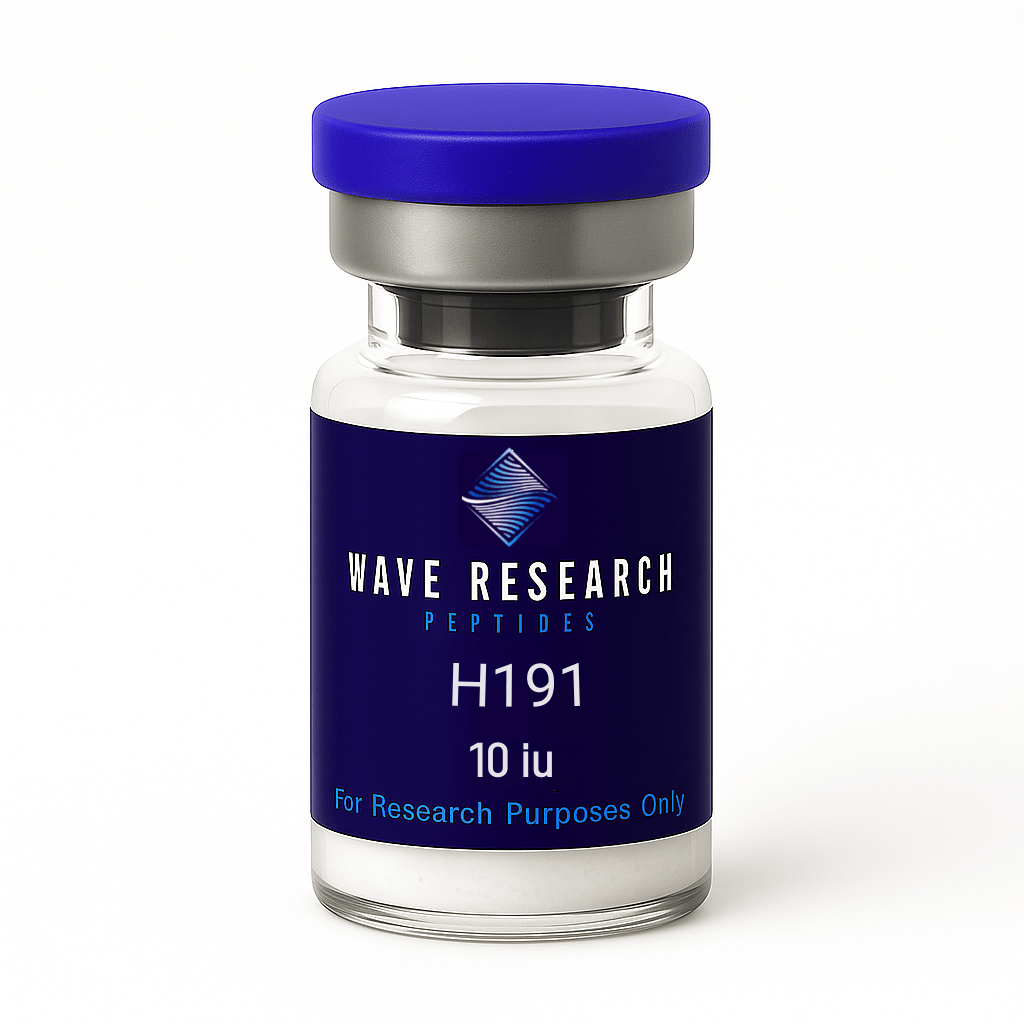
H191 is a synthetic variant of human growth hormone (HGH) that consists of 191 amino acids. It is designed to replicate the structure and function of naturally occurring HGH, which plays a critical role in growth, metabolism, and tissue repair. H191 has been developed in the context of hormone therapies and is used in various medical and performance-enhancing applications. It is particularly popular among athletes and bodybuilders for its purported anabolic effects. While H191 is recognized and used in some therapeutic contexts, much of the research focuses on HGH as a whole, with specific studies exploring the benefits and risks associated with its use.
Benefits:
The potential benefits of H191 include:
-
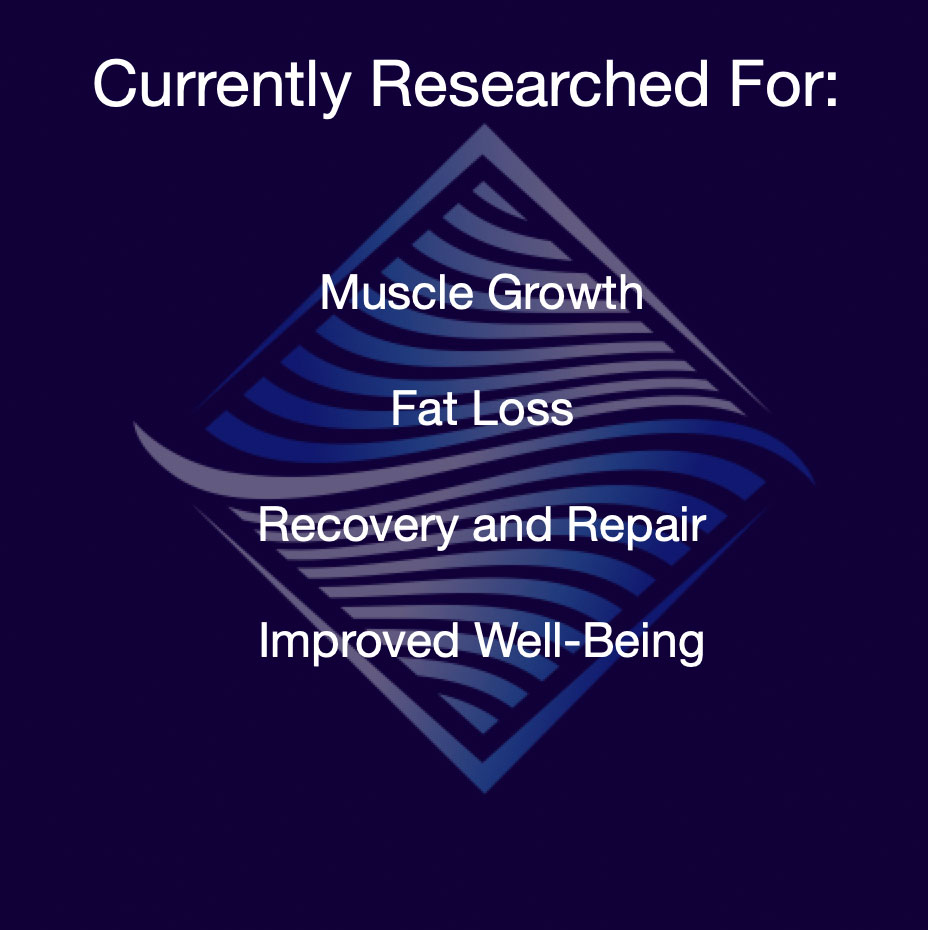
Muscle Growth: H191 is believed to promote muscle hypertrophy and strength gains, making it appealing to athletes and bodybuilders.
-
Fat Loss: It may aid in fat metabolism, helping individuals achieve a leaner physique.
-
Recovery and Repair: H191 can enhance recovery from injuries and intense workouts by promoting tissue repair and regeneration.
-
Improved Well-Being: Users often report benefits such as increased energy levels, improved mood, and better overall health.
Recommended Dosage:
As H191 is primarily used in research settings and is not officially approved for all medical uses, there are no universally accepted dosage recommendations. Anecdotal reports from users suggest:
-
Administration: H191 is typically administered via subcutaneous or intramuscular injection.
-
Common Dosage: Dosages often range from 2 to 4 IU (international units) per day, depending on individual goals, body weight, and tolerance. Some users may choose to cycle or adjust their dosages based on their experience and response.
Important Considerations:
-
Regulatory Status: H191 is not FDA-approved for therapeutic use and is considered a controlled substance in many sports organizations due to its potential for misuse in performance enhancement.
-
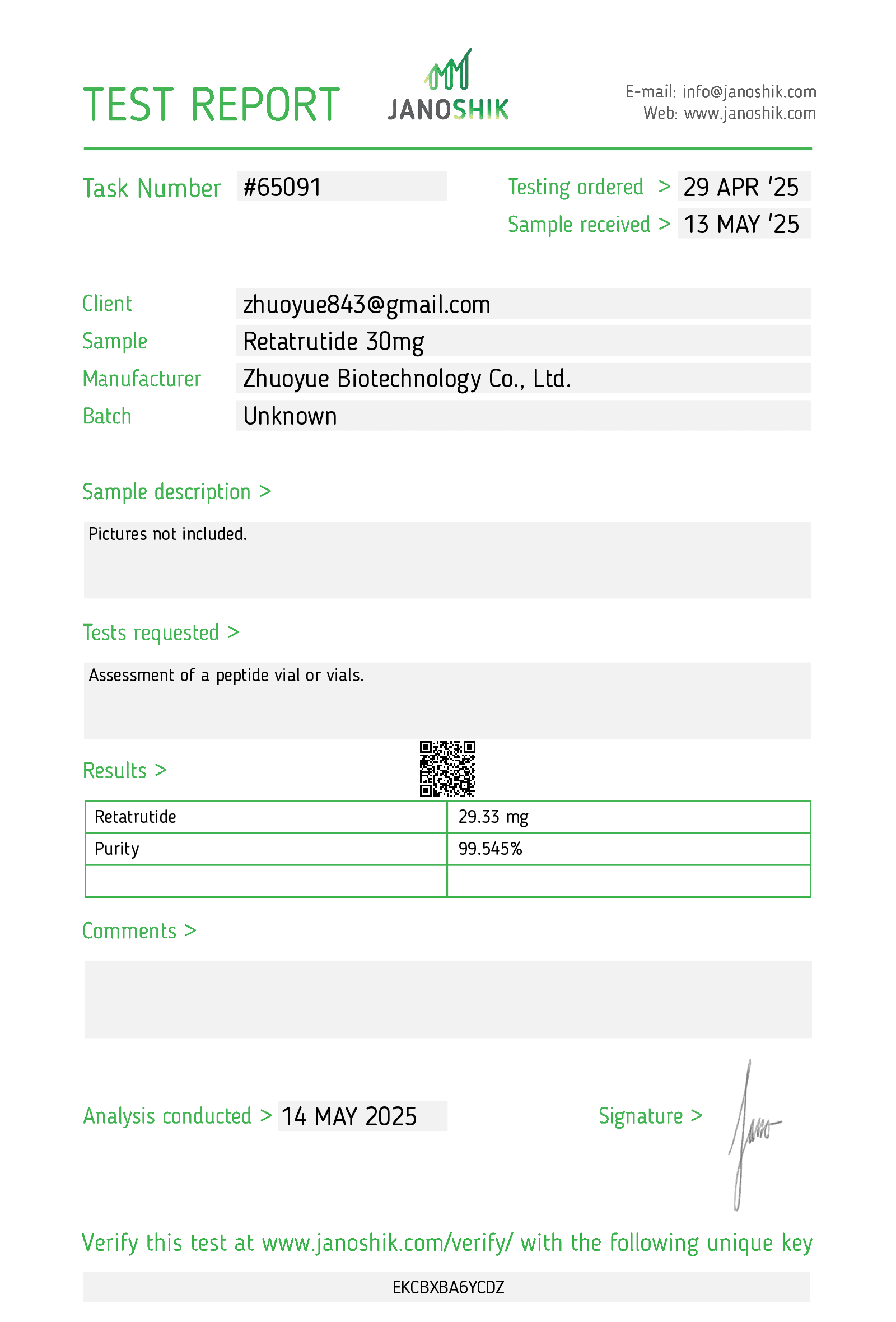
Source and Purity: It is crucial to obtain H191 from reputable suppliers to ensure product quality, purity, and proper labeling. Counterfeit or contaminated products pose significant health risks.
-
Side Effects: Potential side effects may include joint pain, water retention, insulin resistance, and other hormonal imbalances. Long-term effects are not well documented due to limited clinical research.
-
Consultation with Healthcare Professionals: Individuals considering H191 should consult healthcare professionals for guidance, especially given its unregulated status and potential risks.








Reviews
There are no reviews yet.