
3rd Party Tested in the USA
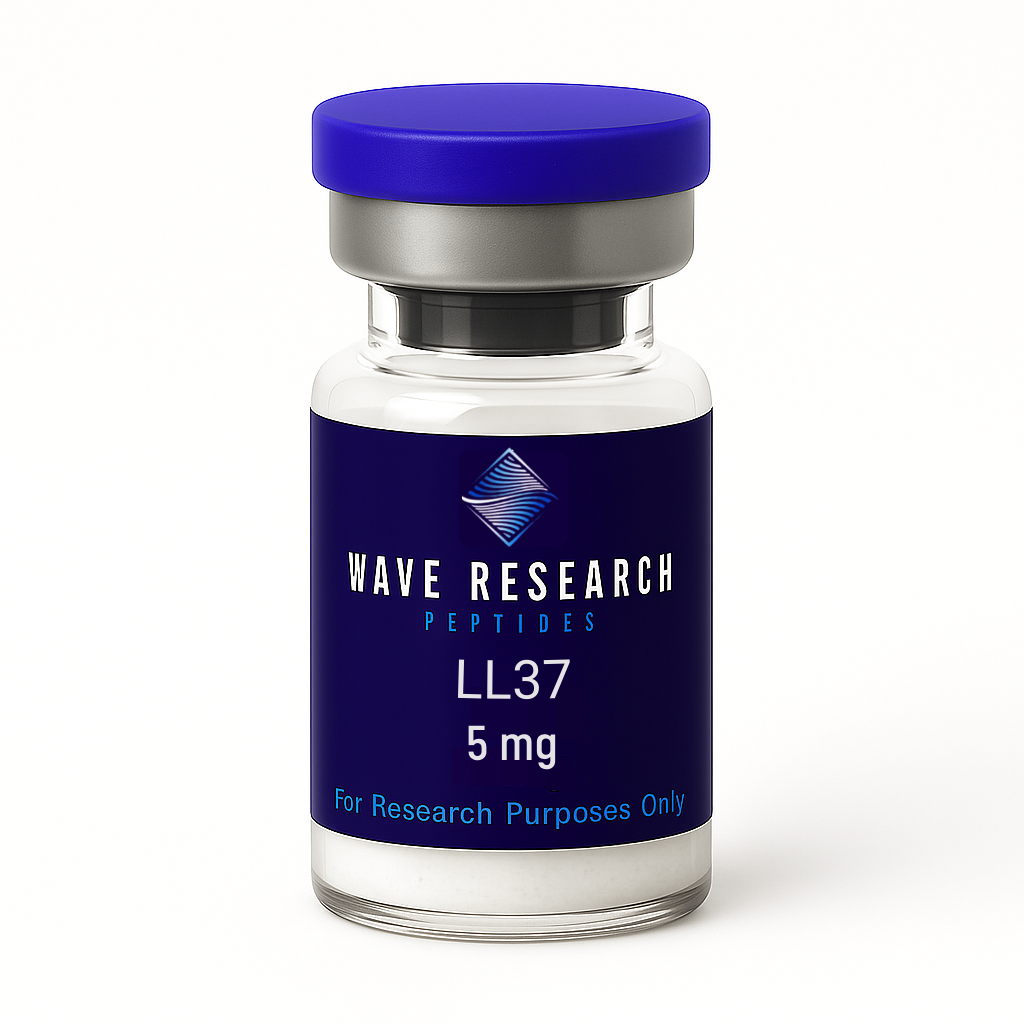
LL-37 is a human antimicrobial peptide from the cathelicidin family, derived from the human cationic antimicrobial protein 18 (hCAP-18). It was discovered in the early 1990s and is recognized for its role in the innate immune system.
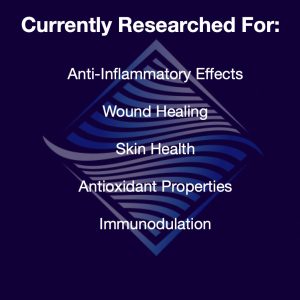
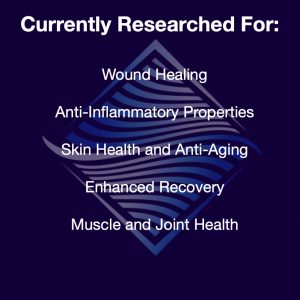
LL-37 is produced by neutrophils, epithelial cells, and keratinocytes. It exhibits broad antimicrobial activity against bacteria, viruses, and fungi. Beyond antimicrobial effects, LL-37 has been studied for its potential roles in wound healing, inflammation regulation, and immune system modulation, making it a focus of research for therapeutic applications in infections, tissue repair, and inflammatory conditions.
Potential benefits of LL-37 include:
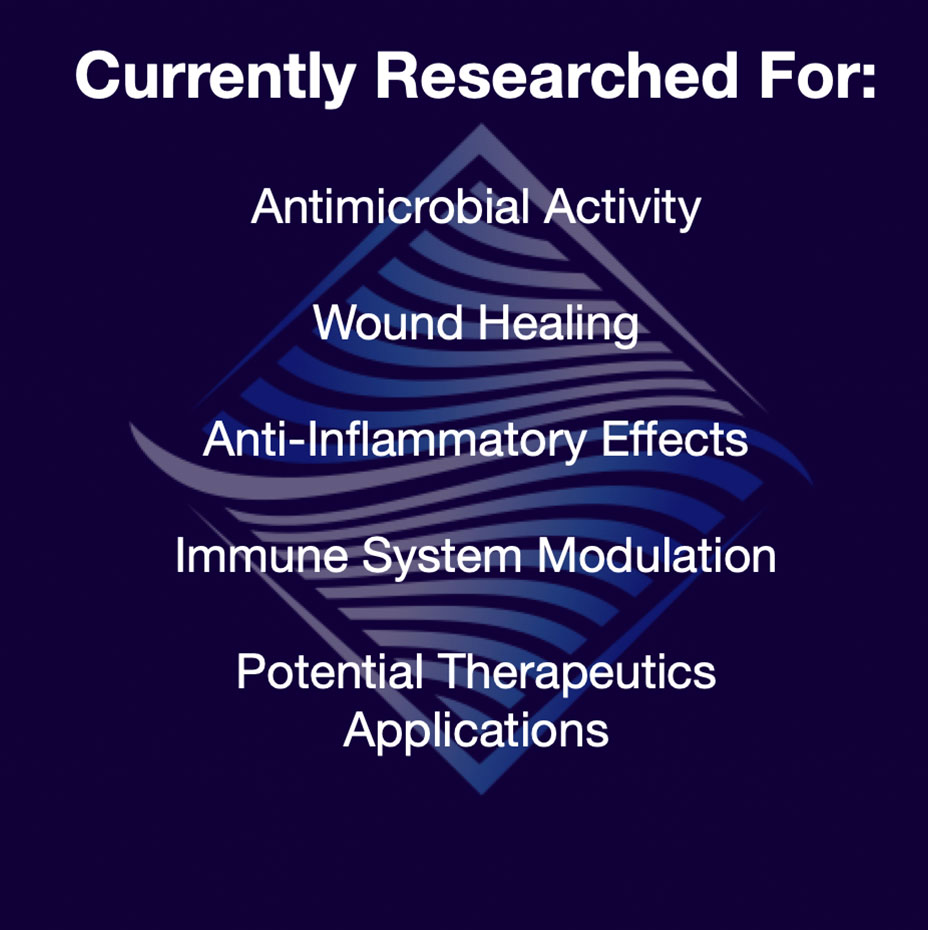
Antimicrobial Activity
Broad-spectrum activity against gram-positive and gram-negative bacteria, fungi, and some viruses.
Wound Healing
Promotes cell migration, proliferation, and angiogenesis, supporting tissue repair and recovery.
Anti-Inflammatory Effects
Modulates the immune response and reduces inflammation, potentially alleviating symptoms of inflammatory conditions.
Immune System Modulation
Enhances the activity of macrophages and neutrophils and supports cytokine production, strengthening immune defense.
Potential Therapeutic Applications
Investigated for chronic wounds, skin infections, and respiratory diseases, among other medical applications.
Regulatory Status: Not approved by the FDA or other regulatory agencies for general use; safety and efficacy are not fully established in large-scale clinical trials.
Source and Purity: Critical to ensure high-quality, reputable sources. Many products are sold as unregulated research chemicals.
Side Effects: High concentrations may cause cytotoxicity in some cell types; overall safety profile is still under investigation.
Healthcare Consultation: Essential due to experimental status and potential risks.
| Amount | 5mg |
|---|



Reviews
There are no reviews yet.