Description
History / Background
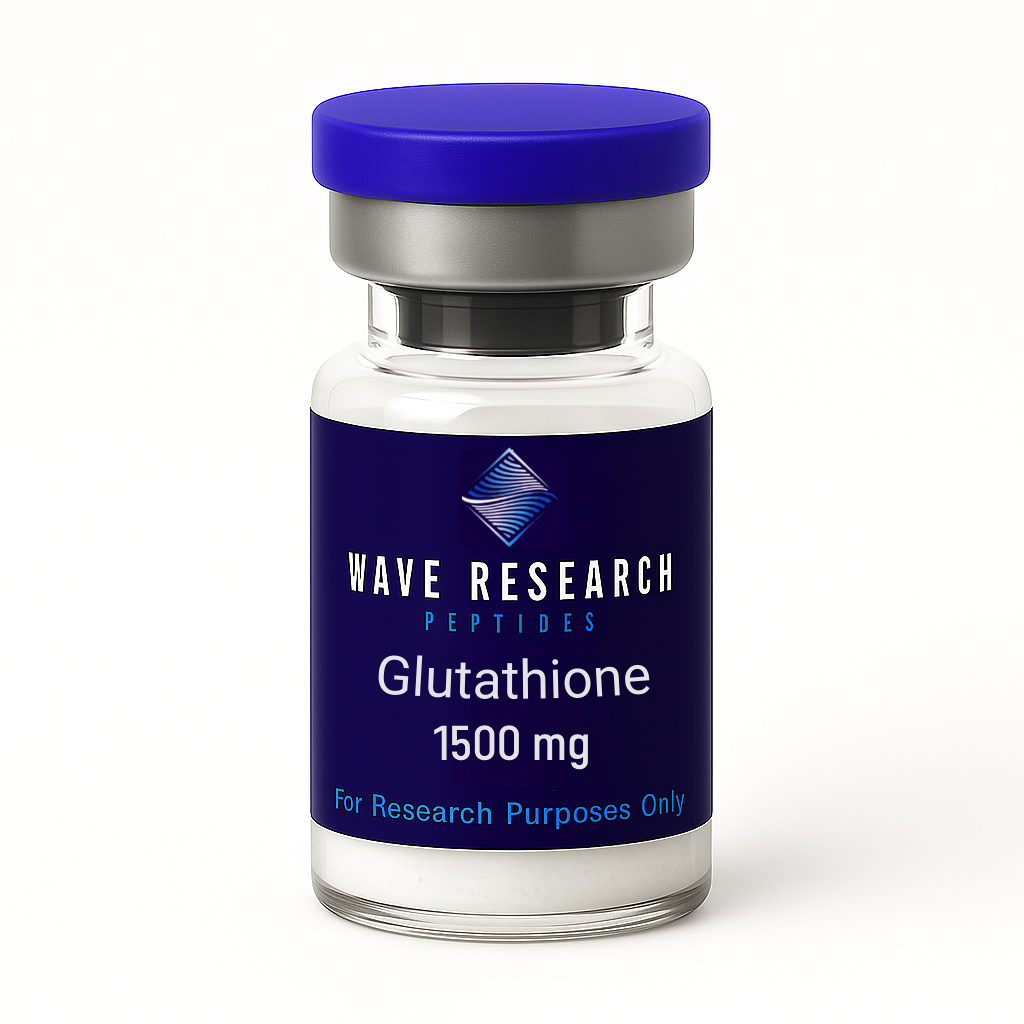
Glutathione was first identified in the 1880s, but its critical role as an antioxidant and detoxifying agent was elucidated in the mid-20th century. It is a tripeptide composed of three amino acids: glutamine, cysteine, and glycine. Glutathione is present in nearly every cell in the body and is essential for protecting cells from oxidative stress, detoxifying harmful substances, and supporting the immune system. Research over the years has explored its importance in aging, cellular health, and potential therapeutic applications.
Research For
Potential benefits of Glutathione include:
-
Antioxidant Properties
Neutralizes free radicals and reduces oxidative stress, which is associated with chronic diseases and aging. -
Detoxification
Supports liver detoxification, aiding in the elimination of toxins and heavy metals from the body. -
Immune Support
Enhances immune cell activity, promoting a stronger response to infections. -
Skin Health
May reduce pigmentation, promote a brighter complexion, and protect against UV-induced damage. -
Cellular Health
Involved in DNA synthesis and repair, protein synthesis, and enzyme function, supporting overall cellular integrity.
Important Considerations
-
Regulatory Status: Glutathione is widely available as a dietary supplement and is not classified as a drug by the FDA. Therapeutic applications are still under research.
-
Side Effects: Generally safe; rare side effects may include gastrointestinal discomfort or allergic reactions.
-
Individual Variability: Effects may vary depending on age, health status, and preexisting conditions.
-
Healthcare Consultation: Recommended for guidance on appropriate dosage, form, and monitoring for individual health goals.


Reviews
There are no reviews yet.