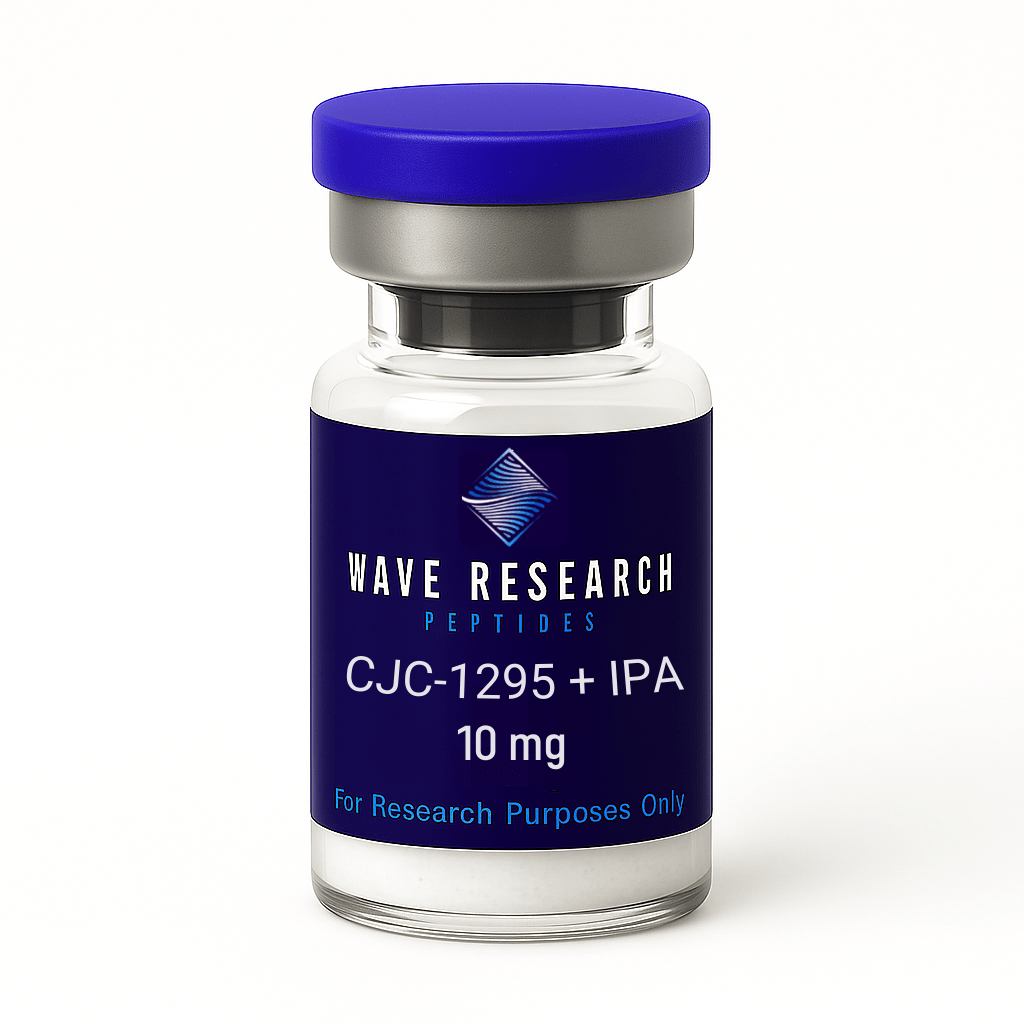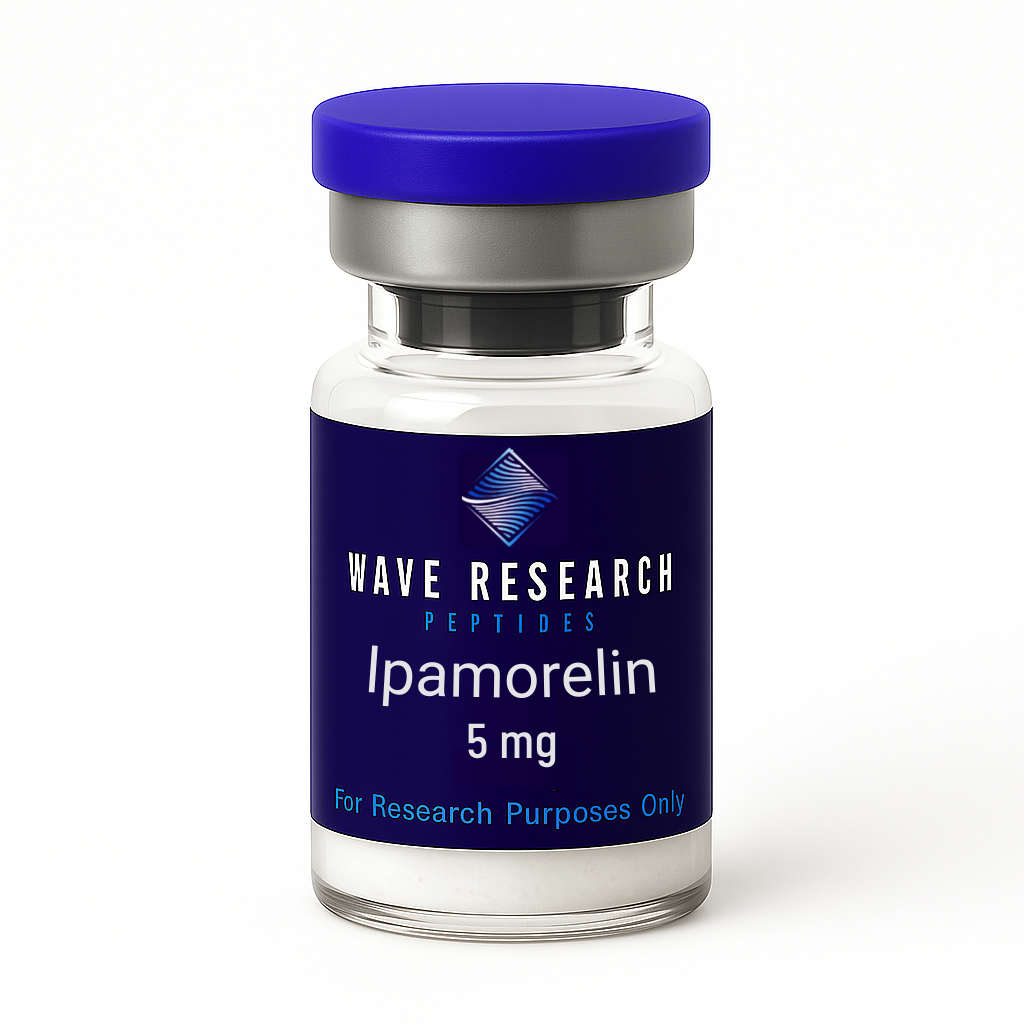
Description
History / Background
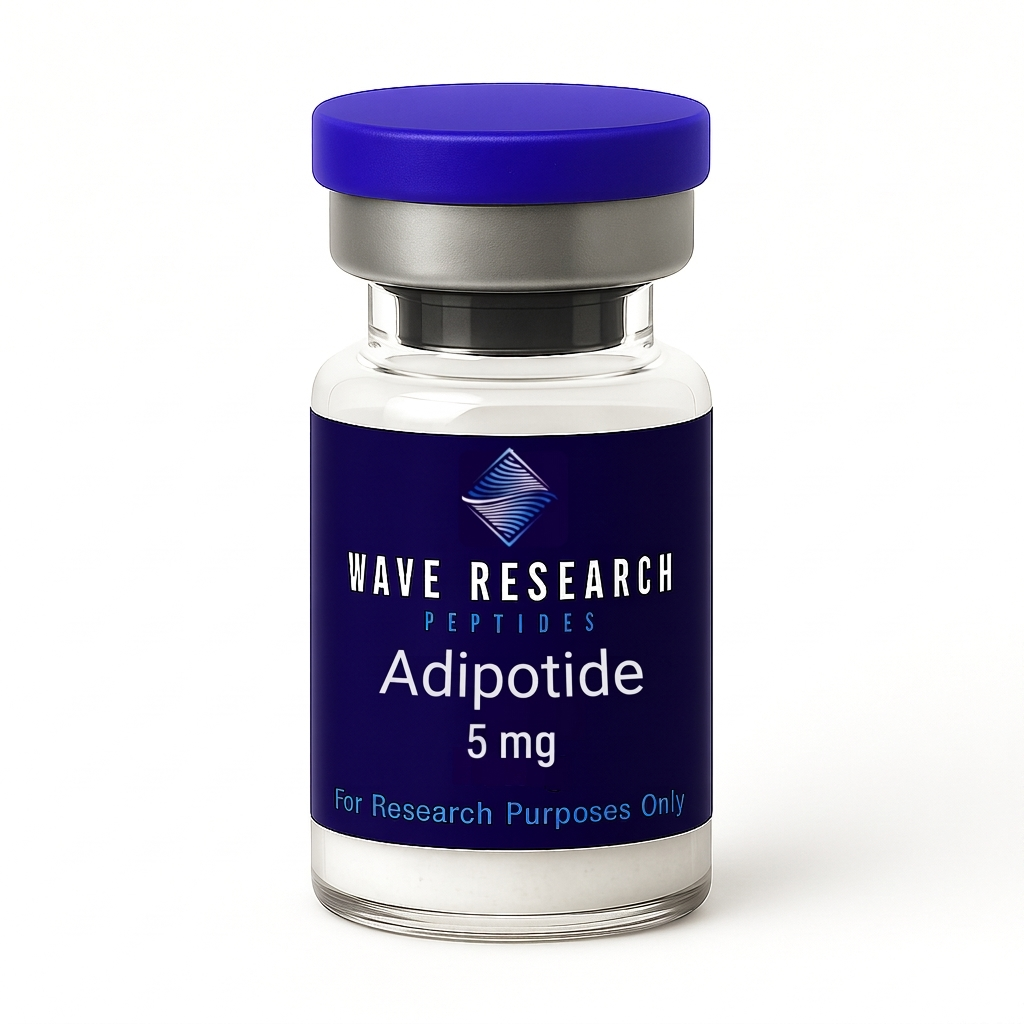
Adipotide, also known as ADF-16, was developed in the early 2000s by researchers at the University of California, Los Angeles (UCLA). It was created as a targeted therapeutic approach to reduce adipose (fat) tissue through a unique biological mechanism. Adipotide is a synthetic peptide that induces apoptosis (programmed cell death) in adipocytes (fat cells). It works by binding to specific receptors located on the blood vessels that supply adipose tissue. This causes those blood vessels to collapse, cutting off the nutrient supply and triggering fat cell death. This mechanism sets Adipotide apart from traditional weight loss methods, which primarily focus on appetite suppression, caloric restriction, or stimulating metabolism. Early animal studies showed significant reductions in body fat, sparking interest in its potential application for obesity and metabolic disorders.
Research For:
The potential benefits of Adipotide include:
-
Targeted Fat Loss
Adipotide specifically targets adipose tissue—especially visceral fat, which is associated with increased risk of metabolic diseases. -
Weight Reduction
Animal studies have shown significant decreases in body weight and fat mass, while preserving lean muscle tissue. -
Improved Metabolic Health
Reducing fat mass may lead to improvements in metabolic markers such as insulin sensitivity, blood glucose levels, and lipid profiles.
Important Considerations
• Regulatory Status
Adipotide is not approved by the FDA or other regulatory agencies for human use. It is an experimental compound and has not undergone sufficient clinical trials to establish safety, efficacy, or appropriate dosing in humans.
• Source and Purity
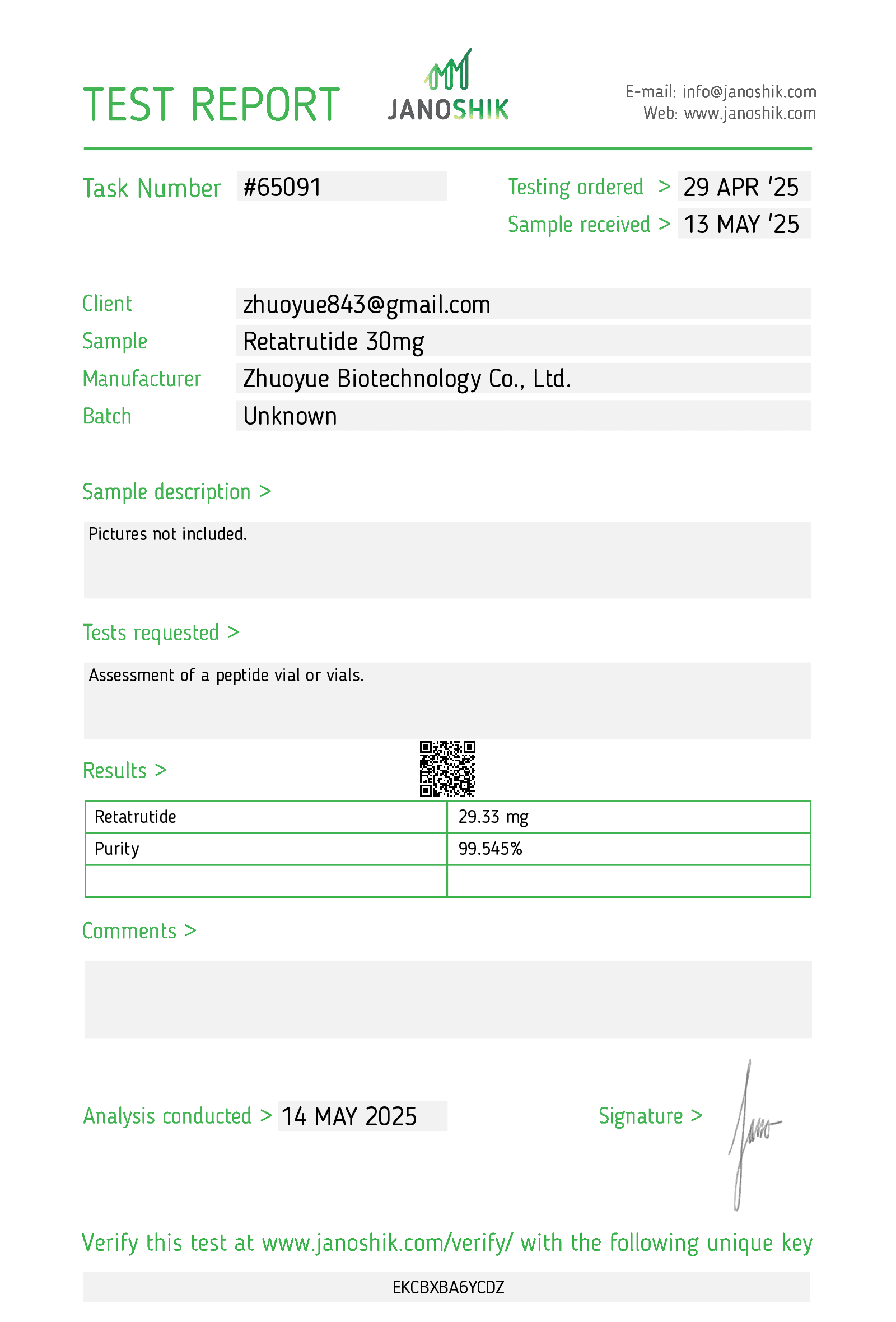
As with any research peptide, sourcing from a reputable supplier is critical to reduce risks associated with contamination, impurities, or mislabeling.
• Safety and Side Effects
Human safety data is extremely limited. In animal studies, potential side effects have included:
-
appetite changes
-
metabolic disturbances
-
localized injection site reactions
-
possible kidney-related effects in higher doses
Long-term use has not been evaluated, and risks remain largely unknown.
• Consultation with Healthcare Professionals
Due to its experimental status, individuals should consult a qualified healthcare provider before considering any use. Medical supervision is strongly recommended to monitor potential side effects or complications.


Reviews
There are no reviews yet.