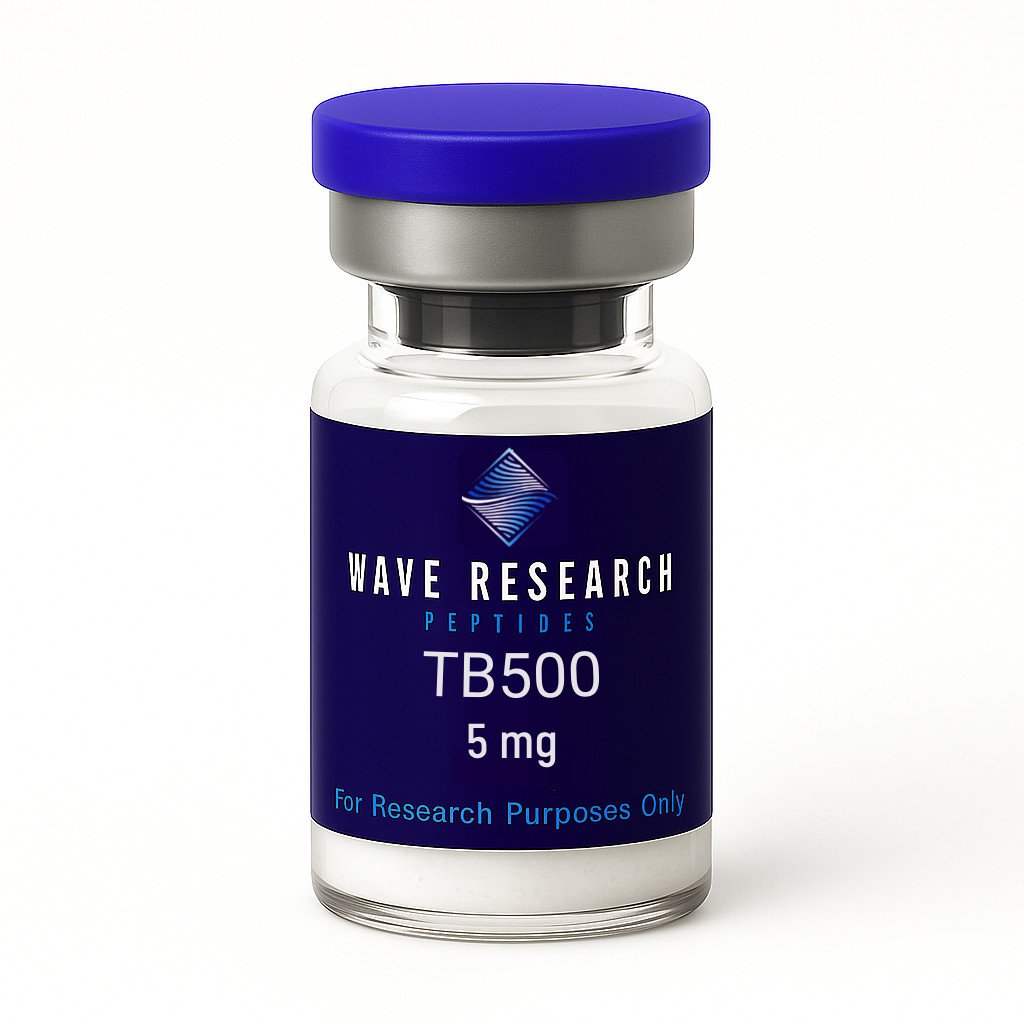
Description
History / Background
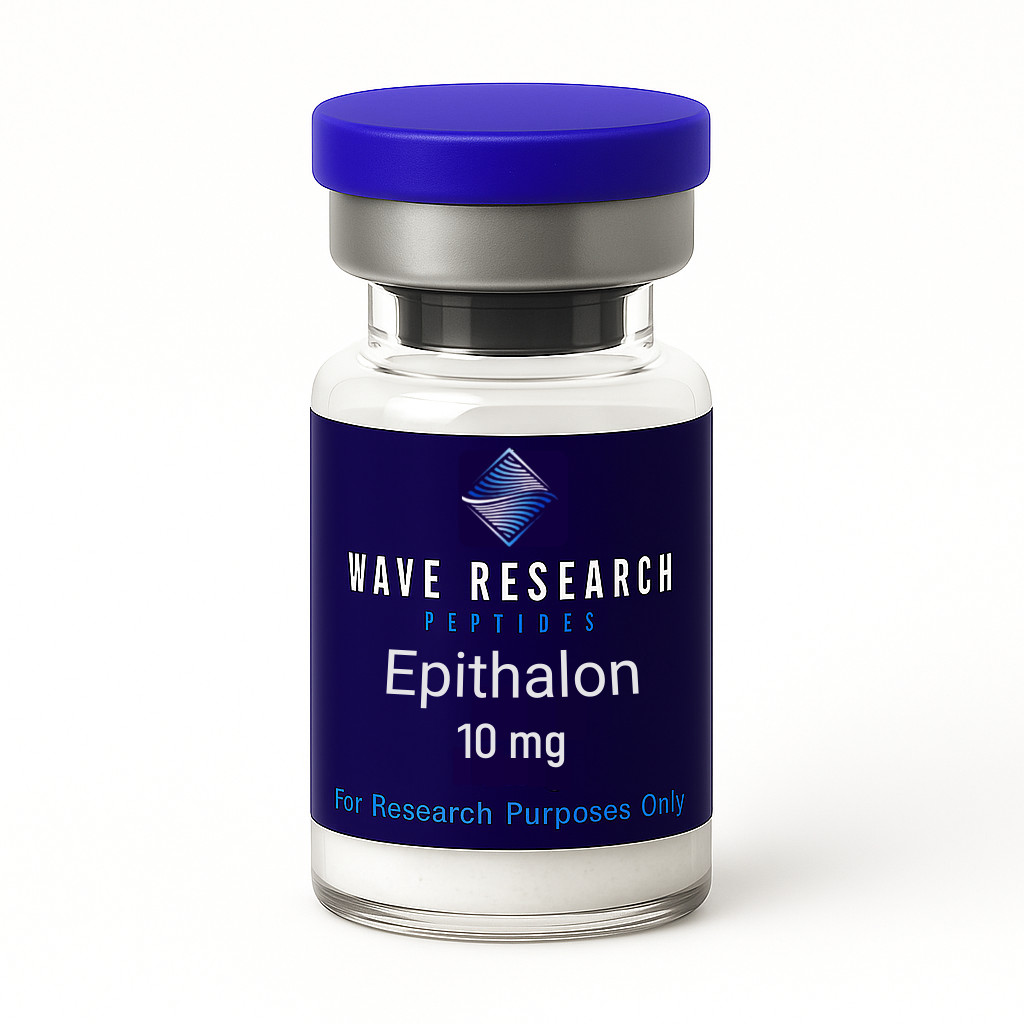
Epithalon (also spelled Epitalon or Epithalamin) is a synthetic peptide derived from a naturally occurring polypeptide called epithalamin, which is produced in the pineal gland. It was developed in Russia in the 1980s by Professor Vladimir Khavinson, who conducted extensive research on its potential anti-aging effects.
Epithalon is primarily studied for its ability to stimulate telomerase production. Telomerase is an enzyme responsible for maintaining telomere length—the protective caps at the ends of chromosomes. Since telomeres shorten with age and each cell division, maintaining their length may help slow cellular aging. Because of this mechanism, Epithalon has attracted interest as a possible longevity peptide.
Research on Epithalon has focused on aging, immune function, sleep regulation, and neuroprotection. While it has gained popularity in certain regions and longevity communities, it is not widely recognized or approved in many Western countries, including the United States.
Benefits
The potential benefits of Epithalon include:
-
Anti-Aging Effects
Epithalon may slow the aging process by supporting telomere maintenance through telomerase activation, which could extend cellular lifespan. -
Improved Longevity
Animal studies suggest Epithalon may increase lifespan and reduce age-related decline by supporting healthier cellular function. -
Enhanced Immune Function
Some research indicates Epithalon may help restore or strengthen immune function, which typically weakens with age. -
Hormonal Regulation
Epithalon may support healthy melatonin production and help regulate circadian rhythms, improving sleep and overall hormonal balance. -
Cognitive Support
Early findings suggest potential neuroprotective effects that may support improved memory, cognition, and brain health in aging individuals.
Recommended Dosage
Epithalon is primarily used in research settings and is not medically approved in many countries. Therefore, no official dosage guidelines exist. However, anecdotal reports and research protocols commonly reference the following:
-
Administration: Typically administered via subcutaneous or intramuscular injection.
-
Common Dosage Range:
Approximately 10–30 mg per day, often taken in cycles lasting 10–20 days, followed by a break before repeating.
Dosages vary widely depending on goals, age, and peptide formulation.
Important Considerations
• Regulatory Status
Epithalon is not approved by the FDA or other major regulatory agencies for human use in many countries, including the United States. Its long-term safety and efficacy have not been confirmed through large-scale clinical trials.
• Source and Purity
If individuals choose to use Epithalon, it is essential to ensure the peptide comes from a high-quality, reputable source. Many products sold as research chemicals may lack proper purity testing or regulation.
• Side Effects
The safety profile of Epithalon is not well-established. Because large controlled studies are limited, potential side effects are not fully understood. Some users report mild irritation at the injection site, fatigue, or headaches, but long-term risks remain unknown.
• Consultation with Healthcare Professionals
Anyone considering Epithalon should consult with a medical professional, especially given its unregulated status and the possibility of unknown risks.


Reviews
There are no reviews yet.